What an Audiologist Wants You to Know About Hearing Loss Prevention
October is National Protect Your Hearing Month!
We think about protecting our eyes from the sun and our skin from UV rays. But how often do we think about protecting our hearing?
Hearing helps us enjoy music and talk with the people we love. It plays an important role in our daily lives, yet many people do not think about hearing protection until they notice a problem.
As an audiologist, one of the most important things I want people to know is that noise-related hearing loss is often preventable. However, Once permanent damage occurs, it cannot be reversed. Every loud sound adds to your total noise exposure over time.
The good news is that you do not have to give up the activities you love to protect your hearing. You just need to make safe listening a habit.
How Do I Know if a Sound Is Too Loud?
Sound is measured in decibels (dB). Both the volume of a sound and how long you hear it affect your risk of hearing damage.
Sounds at or below 70 dB are generally safe, even over long periods. However, regular exposure to sounds at or above 85 dB can increase your risk of hearing loss. The louder the sound, the less time it takes to cause harm. At 100 dB, hearing damage can occur in about 15 minutes.
Here are some signs that a sound may be too loud:
- You must raise your voice to talk to someone standing nearby.
- The sound feels painful or uncomfortable.
- Your ears ring or buzz after leaving a noisy place.
Sound level apps can help you check the volume around you. I recommend the free Sound Level Meter (SLM) app from the National Institute for Occupational Safety and Health (NIOSH).
My advice: If a sound feels too loud, turn it down, move farther away, or use hearing protection. Do not wait for your ears to hurt.
What Everyday Sounds Can Damage Hearing?
Many people know that construction work and gunfire can harm hearing. But loud sounds are also common at everyday activities, including:
- Using lawn and power tools
- Attending concerts or live music shows
- Going to sporting events
- Watching movies in theaters
- Taking fitness classes
- Riding motorcycles or recreational vehicles
Personally, I have measured sound levels above 100 dB at Red Rocks, Ball Arena, and Mission Ballroom. Plus, research shows that Broncos games can reach levels above 120 dB.
Noise exposure adds up. Several noisy activities in one day can increase your risk of hearing damage.
You do not need to avoid these activities. Instead, use hearing protection when needed and take breaks from loud sounds.
Can Hearing Loss Be Reversed?
Sadly, permanent hearing loss caused by noise cannot be reversed.
Inside the inner ear are tiny hair cells that help turn sound into signals sent to the brain. Loud noise can damage these cells. Unlike some other cells in the body, these hair cells do not grow back in humans.
That is why prevention is so important.
Are Headphones and Earbuds Bad for Your Hearing?
Headphones and earbuds do not cause hearing damage on their own. The main concern is how loud you listen and how long you listen.
In a study I conducted in 2017, I found that headphones can reach harmful sound levels. Listening at high volumes for long periods can put your hearing at risk.
One common problem happens when people turn up their music to block out background noise. This can happen on an airplane or in a busy gym.
Noise-canceling headphones can help by reducing background noise. This may allow you to listen at a lower volume. Many phones and audio devices also have hearing health settings that track listening levels and warn you when they may be too high.
The goal is not to stop using headphones. It is to use them safely and take breaks.
How Can I Protect My Hearing?
You can enjoy music, podcasts, movies, and more while protecting your hearing. Here are some habits I recommend:
- Turn down the volume. The World Health Organization suggests keeping personal listening devices below about 60% of their maximum volume as a general guide.
- Use noise-canceling headphones. These can help you listen at lower volumes in noisy places.
- Take listening breaks. Give your ears time away from sound.
- Move to a quieter place. If you need to turn up the volume to hear, try reducing the background noise instead.
- Check your device settings. Use hearing health features to track your listening levels.
Safe listening depends on volume, listening time, and how often you are around loud sounds.
What Should Parents Know About Hearing Protection?
Children hear loud sounds through headphones, video games, school events, concerts, and sporting events. They may not know when a sound is too loud, so parents play an important role in protecting their hearing.
Here are a few ways to help:
- Keep headphone volume at a safe level.
- Encourage breaks from headphones and other loud sounds.
- Bring hearing protection to loud events like concerts, fireworks, and sports games. For babies and young children, well-fitting protective earmuffs are often a better choice than earplugs, which can pose a choking risk.
- Pay attention to loud toys and sound machines.
- Finally, talk with your children about why hearing protection matters. Just as we teach children to wear helmets when riding bikes, we can teach them to protect their hearing.
Do Foam Earplugs Work?
Yes. Foam earplugs can block a some noise when used correctly. However, putting them in the wrong way can make them much less effective.
To use foam earplugs:
- Roll the earplug into a thin shape.
- Gently pull your ear up and back as you insert it.
- Hold it in place while it expands to seal your ear.
Custom hearing protection is another option. These earplugs are made to fit your ears, which may make them more comfortable and easier to wear.
Custom musician earplugs are especially helpful for people who play music or attend concerts often. They can lower sound levels while helping music sound more natural.
In my opinion, custom-molded hearing protection is worth considering if regular earplugs do not fit well or feel uncomfortable, or if you are a regular attendee of loud events like gun shows, sports games, loud concerts, and motorcycle shows.
What Can I Start Doing Today?
Protecting your hearing does not have to be hard or expensive. Small changes can help lower your risk of hearing damage over time.
Here are seven steps you can take today:
- Turn down your headphones.
- Keep hearing protection nearby.
- Move away from loud sounds.
- Take breaks in quiet places.
- Check your listening levels.
- Teach your children safe listening habits.
- See an audiologist if you have trouble hearing, notice ringing in your ears, or have been around loud sounds often.
Protect Your Hearing Today So You Can Enjoy the Sounds of Tomorrow
Hearing protection is not about giving up the sounds you love. It is about helping you enjoy them for years to come.
Whether you enjoy concerts, play music, fire weapons, or attend sporting events, you can take steps to protect your hearing.
Your hearing is worth protecting, and it is never too early to start.
At the Marion Downs Center, our audiologists help people and families understand their hearing health. Our Audiologists specialize in hearing protection and noise-induced hearing loss for all ages. If you have questions about hearing loss or want help choosing hearing protection, we are here to help.
Call the Marion Downs Center at 303-322-1871 to learn more about protecting your hearing.
Additional Resources


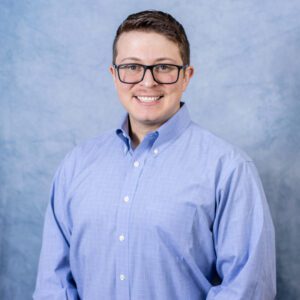
Caleb Kronen, Au.D., CPS/A, CCC-A
Doctor of Audiology
Director of Hearing Conservation at the Marion Downs Center
CAOHC Certified Professional Supervisor in Audiometric Monitoring
📞 303-322-1871
🌐 www.mariondowns.org
📍 5570 DTC Pkwy Suite 200, Greenwood Village, CO 80111