How Sound Can Hurt Ears
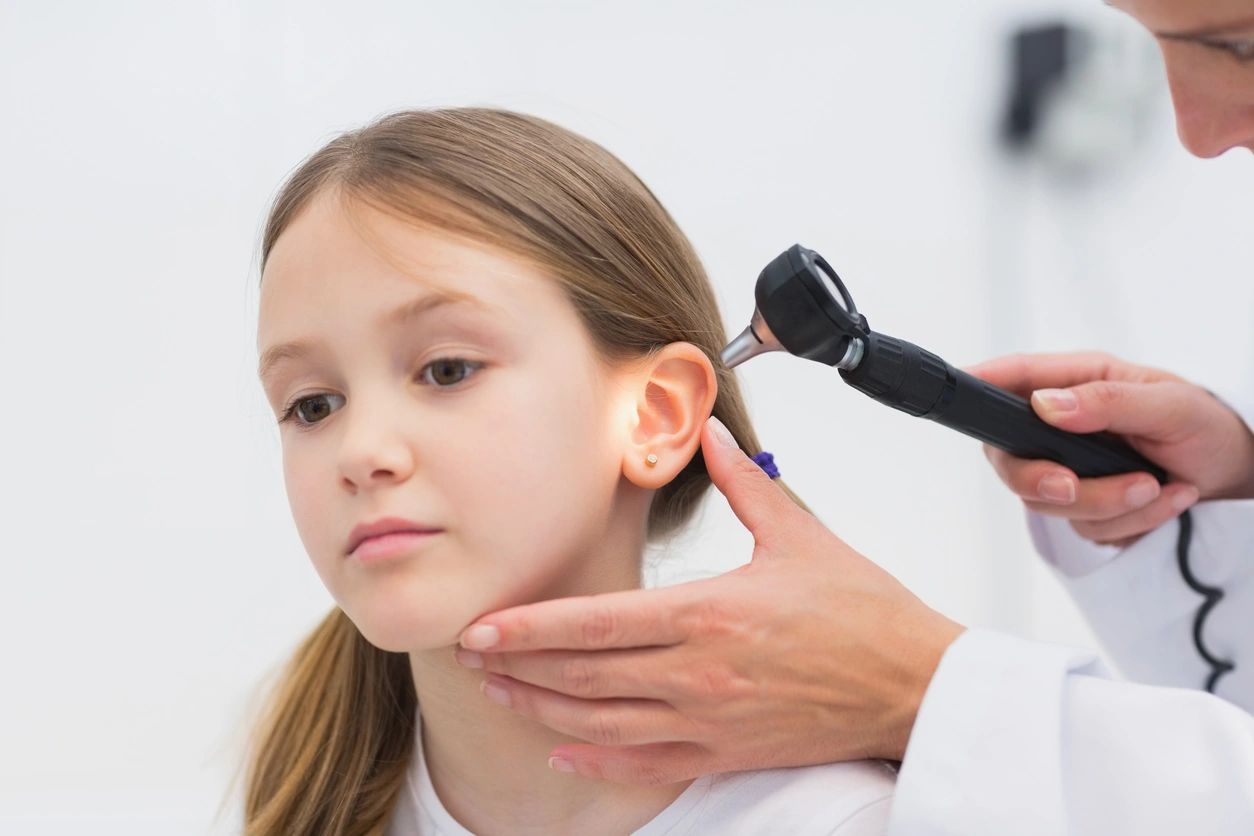
Exposure to loud sounds can cause permanent physical damage to hearing. You cannot see or feel the damage from noise. Shearing forces caused by loud sounds cause damage to the delicate inner ear hair cells. This damage is 100% preventable and can occur at any age. Research suggests that Noise Induced Hearing Loss or NIHL is occurring at younger ages and with more frequency.
Learn more and speak to an audiologist by requesting an appointment using the button below!

Childhood Noise Risk
The noise levels of some toys and children's activities are loud enough to cause hearing loss. Noise can damage hearing with long-term exposure to sound levels at or above 85 decibels, which is the typical lawnmower loudness. Even brief exposure to very loud sounds can result in permanent hearing loss.
Preventing Noise Damage
Monitor the noise levels in the child's environment. You should not have to shout to get your child's attention.
Purchase personal stereos with volume limiters.
Listen to toys prior to purchase. Consult safety resources at www.toyssafety.net
Limit the time your child spends in noisy places.
Provide ear plugs or earmuffs sized for your child's ear when the noise cannot be reduced.
Be a good role model - use hearing protection yourself when noise cannot be reduced.
Ensure your child's school has a hearing loss prevention program for music, shop, and other noisy classes.
Test your child's hearing yearly if they participate in noisy activities or you suspect a change in hearing ability.
Be Aware of hearing loss warning signs such as ringing in the ears, speech sounding muffled or hard to understand, and temporary hearing difficulty after a noisy activity.